Winter Reading for Gardeners and Foragers-5 Gardening Books to Read Over Winter While Your Garden Rests
Winter Reading for Gardeners and Foragers
5 Gardening Books to Read Over Winter While Your Garden Rests
When is the best time to learn new things? Anytime, of course—but downtime is especially valuable! For seasonal gardeners, winter offers the perfect opportunity to prepare for next season’s garden. This is the season to dive into winter reading for gardeners with resources that inspire and educate, setting the stage for success.
Each of the gardening books I’m about to recommend has made a life-altering impact on my gardening journey—I call them my "life-long garden lessons" and I want to share them with you. More Food, Less Fuss is at the heart of Eat Local Education's "Trust the Seed" philosophy, and that simplicity extends beyond what you plant to what Nature has planted for you. These books will inspire you to see your garden—and your weeds—in a new light, recognizing their food, health, and protective potential.
I challenge you to consider simplifying your gardening by combating pests and increasing soil productivity, just by doing less. Companion planting, crop rotation, and leaving some weeds for both you and the bugs create a bigger cycle than you might think. There are tasks that must be accomplished, but that's part of the journey I want to take you on—one blog at a time. These books for your winter reading cover all of this... they are my guides.
So, cozy up with these titles and dream of all the things you won’t do next spring! Whether you're new to gardening or curious about books for foragers, these are the perfect companions for cold, quiet evenings.
The Wonderful World of Food Growing
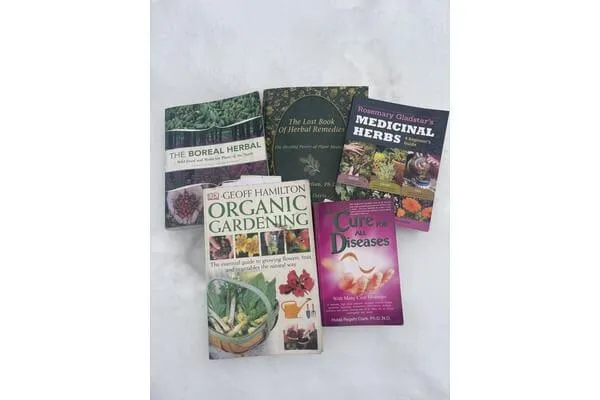
Organic Gardening- Geoff Hamilton
This book was my first gardening guide. I read it front to back more times than I can count. It covers so much valuable information, from various types of soil and plants to dealing with common problems. But one page has shaped my gardening philosophy more than any other—page 134. It's a visual layout for crop rotation and companion planting that I’ve followed ever since.
I didn’t realize the significance at first, but now I see it clearly: this simple graphic has been the foundation of my pest-free garden. Over 18 years of gardening, I’ve had just one bout with potato beetles and, just this year, a minor aphid issue—which, by the way, didn’t destroy my plants. (There’s a whole story there, but that’s a blog for another time!)
To me, this page represents three powerful tools: healthy plants, healthy soil, and a pen and paper. Yes, it’s that simple. Of course, the rest of the book is packed with valuable tips, but page 134 is the one that truly shaped my gardening philosophy and brought me consistent success. It’s the secret sauce that’s made all the difference in my journey.
Now, you might be wondering why a gardening coach only has one gardening book to recommend—and for just one page at that. Here’s why: I believe gardening doesn’t have to be overwhelming or expensive. You don’t need shelves full of books to grow food successfully. Sometimes, it’s about finding that one key piece of information that clicks.
And here’s the thing—I can be your open book. My mission is to share everything I’ve learned over the years, breaking down what works and what doesn’t, so you don’t have to sift through pages and pages for answers. Page 134 might have been my “aha moment,” but together, we’ll create yours. Just ask Carolyn... hers was "not pruning tomatoes".

Check out this video to see the books in action, including highlights of my favorite sections and why they’re worth a spot on your shelf. Click the Pic to WATCH!
The Wonderful World of Weeds, Seeds, Trees, and Roots!
The Boreal Herbal –Beverley Gray
This was the book that sparked my foraging journey. I began walking with a plant identification app, pen and paper in hand, collecting bags, and a sense of excitement. Every new find was something to celebrate. I’d head home, look it up in the book, and decide if it was time to harvest. Living in the Boreal Forest, these plants are our native allies—and suddenly, we were foragers.
Foraging is like nature’s cheat code to gardening. Why? Because you don’t have to plant anything! This book opened my eyes to the wild edibles all around me, right in my garden. Weeds like lamb’s quarters (wild spinach) that succession-sows and never bolts are now a staple in my kitchen. This resource will teach you how to identify, harvest, and use these free gifts from nature.
Medicinal Herbs: A Beginner’s Guide - Rosemary Gladstar
This book was my second discovery, and it completely shifted my perspective on what I was already growing. I never realized the medicinal benefits of my plants—like basil for headaches or thyme for sore throats. Now, I grow cayenne and lemon balm, too—two plants I never would’ve thought to add to my garden before reading this book. Start here if you already have an herb garden and want inspiration to try new things!
A Cure for All Diseases- Hulda Regehr Clark
This book truly called to me. I’m not a fan of browsing, but one day, I agreed to head out with the family to a garage sale. (When I do go, I score big—future blog alert about all the amazing finds from yard sales!) I saw this book among a stack of interesting titles. I looked at it, showed it to my husband (who said, “Nah…”), put it back, walked away, but couldn’t shake the feeling. As we were leaving, I ran back and grabbed this cherished find. Wow! All I can say is, when was the last time a doctor told you to do a parasite cleanse? The vet reminds us to do it for pets… but what about us? This 600-page book seemed daunting at first, but it’s a medical page-turner—I devoured it in just two weeks! It’s a deep dive into the root causes of how we feel, and I couldn’t put it down.
The Lost Book of Herbal Remedies - Nicole Apelian & Claude Davis
My new favorite! This book is packed with plant knowledge from around the world, and it has completely changed the way I see my garden. I used to say, “food over flowers,” but I’ll eat those words (pun intended). Starting this spring, I plan to plant flowers on purpose—right alongside my marigolds (wink wink). Wish me luck! I’ve never really grown flowers before, so if you have tips, I’m all ears!
There are so many more books on these topics, and I encourage you to check out secondhand stores, flea markets, or order them new through my Amazon links. However you can get your hands on them, do it—you won’t regret it!
Why Now Is the Time to Buy These Books
All of these titles are available on Amazon, making them super convenient to purchase online. But here’s something to consider: recent proposed legislation in Canada, like Bill C-368, may impact access to certain store-procured products in the future. That’s why it’s so important to have resources that empower you to create your own solutions.
Owning physical copies of these books ensures that you’ll always have this knowledge at your fingertips, no matter what changes might come. They’re more than just reading material—they’re guides to a sustainable, self-sufficient lifestyle. With these books, you can learn to create your own remedies, grow your own food, and even explore foraging as a way to support your health and garden naturally.
Start building your gardening and foraging library today—because the best solutions are the ones you make yourself. 🌱
As an aside, our local book store would NOT bring this book in for us. We ordered on Amazon too.
Winter Reading, Gardening Gains
Winter is a time for preparation. Armed with the knowledge from these books, you’ll be ready to approach the next growing season with confidence and creativity. Gardening and foraging both reward curiosity, and these resources are a great place to start. With these books on your shelf, you’ll be well on your way to a healthier, more productive garden and a pantry full of nature’s bounty.
Disclaimer
The information shared here is for educational and inspirational purposes. Always research and consult reliable sources before using wild plants for food or medicinal purposes. Some plants may have lookalikes or specific preparation requirements. Safety first!
Have Questions?
I’d love to hear from you! If you have questions, need help getting started, or just want to share your thoughts, feel free to email me at [email protected]. Let’s grow together! 🌱
There’s always more to say!
Here’s a tip: Let weeds work for you!
Plants like Lamb's Quarters are wild gifts—they sow themselves, don’t bolt, and are absolutely delicious. My motto: “Weeds are friends.”
Happy reading and dreaming of spring! 🌱
When we recognize the value in weeds, this question becomes even more important.


